
Strip Outs Kiama
Not every project needs a building to be taken down. Often, the structure is fine, but the inside needs to be cleared so new work can begin.
Kiama Demolition provides strip outs for homes, shops, offices and other properties that need old fixtures, finishes and non structural elements removed. We make it easier for your builder, fit out team or new tenant to step into a space that is already cleared and ready for change.
Professional Strip Out Services for Kiama Properties
A strip out is the planned removal of internal, non-structural parts of a building while the main framework stays in place. It focuses on taking out things like floor coverings, ceilings, wall linings, partitions, counters and built in cabinetry that are no longer needed.
By clearing these elements, a strip out creates a clean, open space that is ready for renovation, a new fit out or tenancy handover, without the cost and disruption of full demolition.
People usually arrange strip outs when they are:
- Renovating or extending a home
- Updating tired interiors before a sale or rental upgrade
- Handing back a commercial tenancy at the end of a lease
- Changing the use of a shop, office or warehouse
- Preparing a space for a new fit out or brand
The aim is simple. Clear out the old, keep what needs to stay, and hand over a space that is easier and safer for the next stage of work.
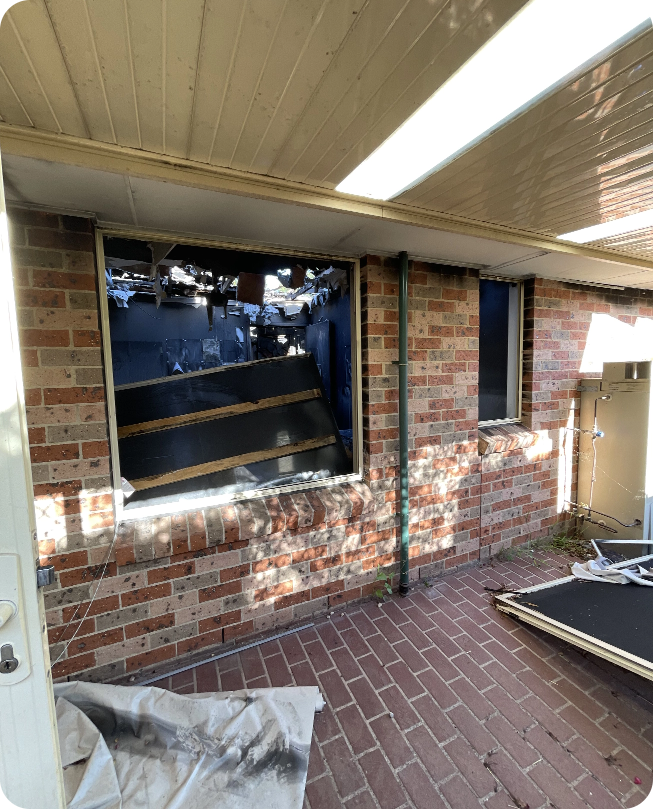
What Our Strip Out Service Includes
Our strip out service is designed to give you a clean, workable space without touching the parts of the building that are meant to stay.
Typical internal elements we remove include:
Residential strip outs
For homeowners, strip outs are common before a kitchen, bathroom or whole home renovation. Clearing out old finishes and fixtures first lets your builder or trades start on a space that is already open and prepared.
Residential strip outs can include full or partial internal clearing, depending on how much of the home is being updated.
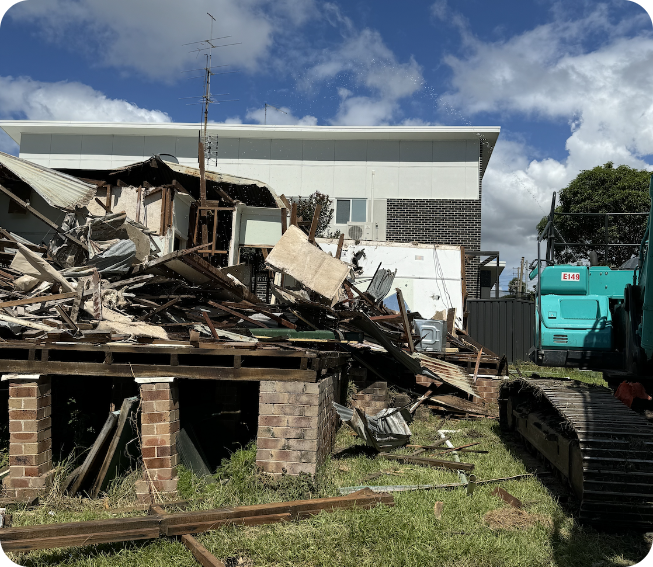
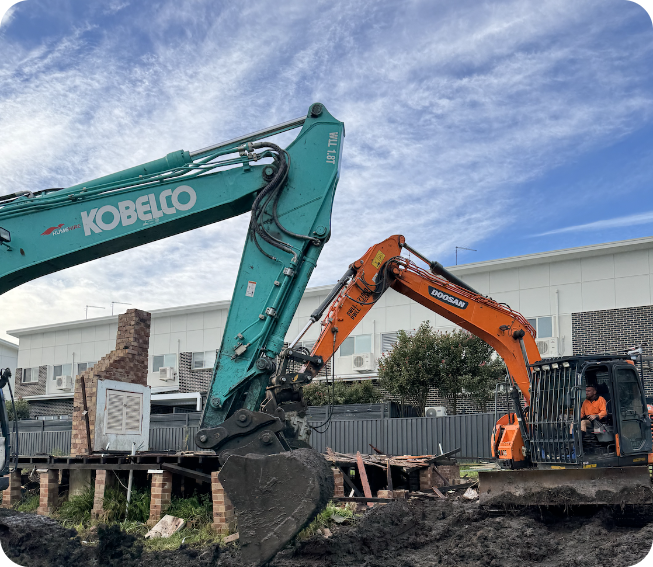
Commercial strip outs
For businesses and property managers, strip outs often happen at the end of a lease or before a new fit out. This can involve removing old offices, shop fittings, counters, storage areas, flooring and ceiling grids.
A well managed commercial strip out helps meet “make good” obligations and gives the incoming tenant or builder a clean shell to work with.
How Our Strip Out Process Works
We keep the process simple and easy to follow.